A Complete Guide to Printing Wedding Invitations
November 13, 2026
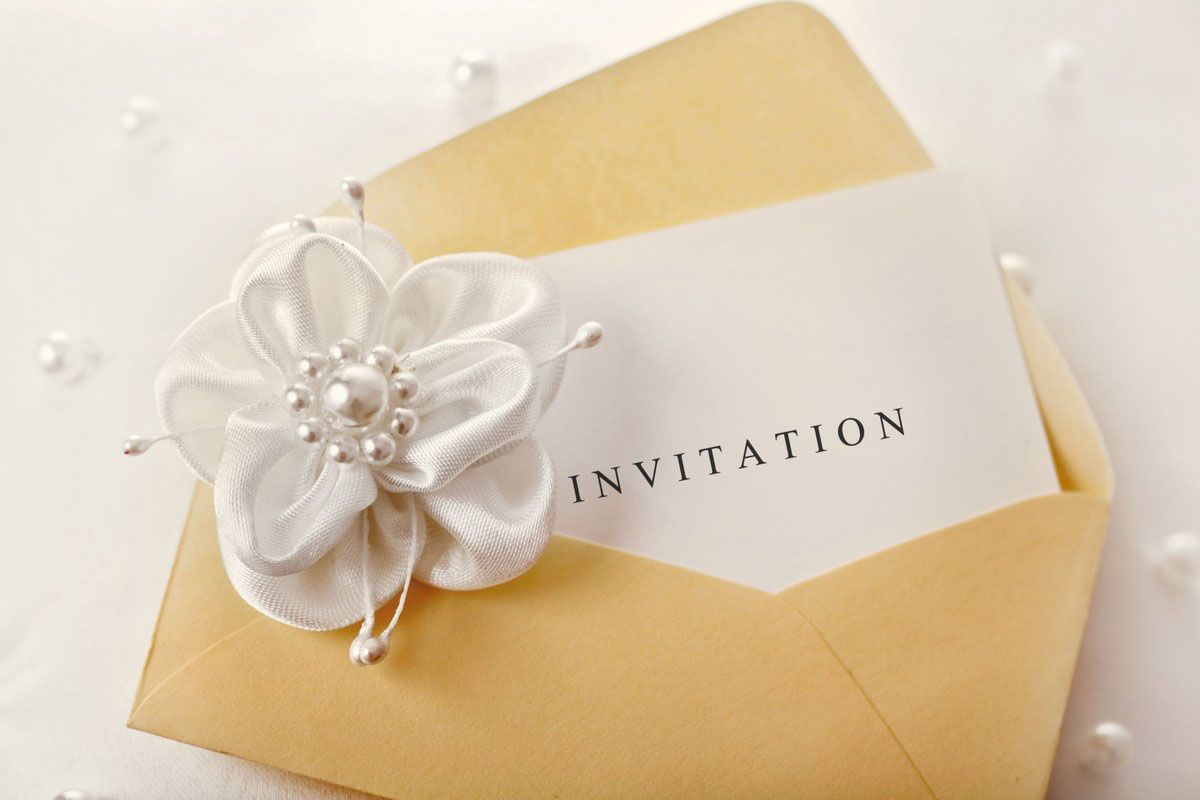
Wedding invitations are an important part of planning a celebration because they introduce guests to the event and communicate essential details about the special day. From elegant typography to carefully selected paper, every design choice contributes to the overall impression an invitation creates. Choosing the right printing method, preparing the wording, and allowing enough production time can help couples avoid unnecessary stress before their wedding. Working with a professional printing company can also make it easier to turn a design concept into polished invitations that reflect the couple's style. Whether the celebration is formal, rustic, modern, or traditional, thoughtful preparation helps ensure that invitations look attractive and contain accurate information. Couples should consider their guest list, budget, preferred materials, and mailing schedule before placing an order.
Choosing the Right Invitation Design
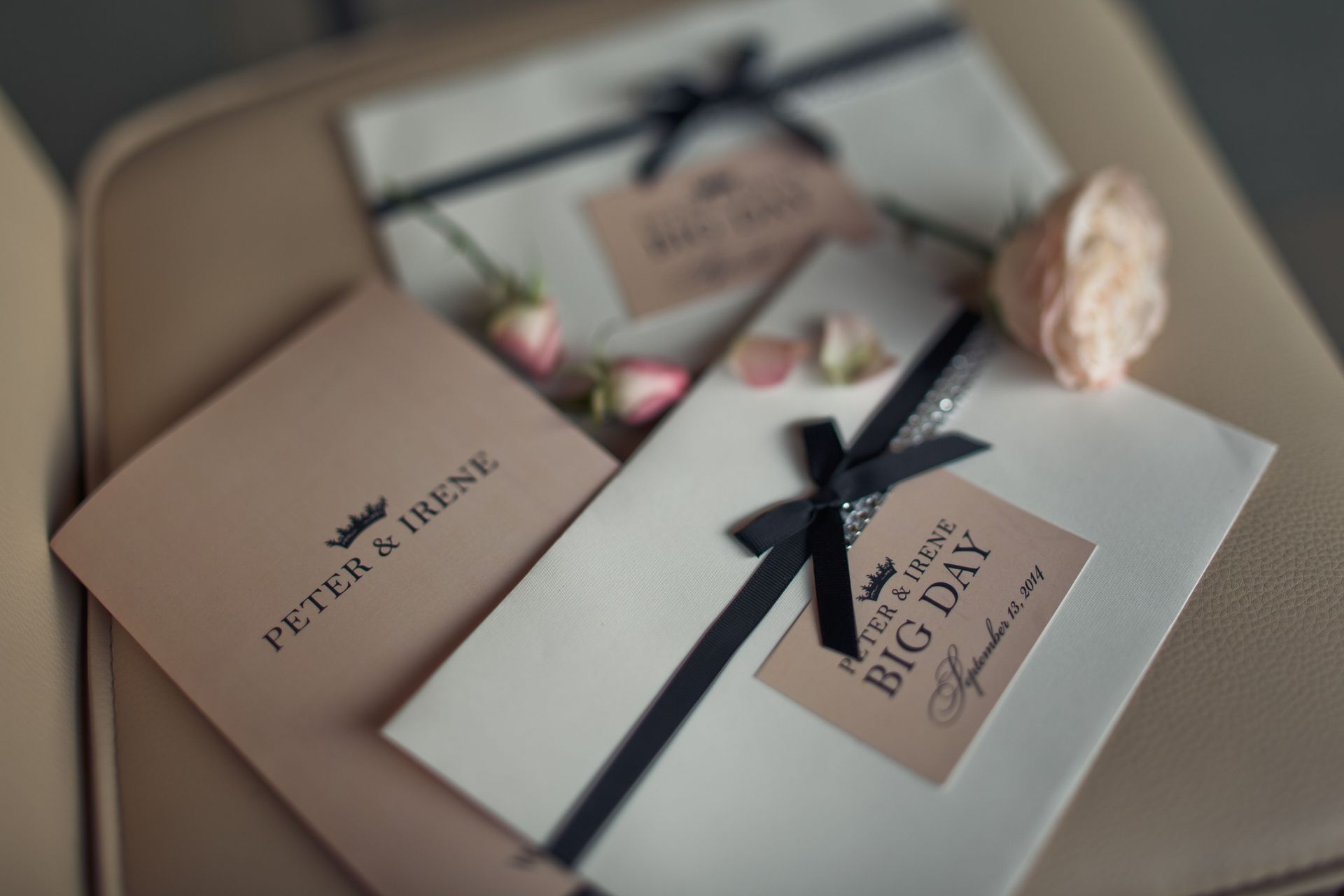
The invitation design establishes the visual style of a wedding before guests arrive at the venue. Couples can choose from minimalist layouts, floral illustrations, classic calligraphy, contemporary typography, or designs inspired by the wedding's theme. Colors should complement the event's overall palette while maintaining enough contrast to keep the wording easy to read. A professional printing company can help couples evaluate design options and determine which layouts will reproduce well on their preferred paper. Selecting a consistent visual style also helps coordinate invitations with RSVP cards, information inserts, and envelopes. Couples should consider how the design will appear in print rather than relying exclusively on a computer screen. Small details, such as margins, alignment, and font size, can influence the finished invitation's appearance. Reviewing a proof before approving production provides an opportunity to identify adjustments and confirm that the final design reflects the couple's preferences.
Selecting Appropriate Paper and Printing Materials
Paper selection influences the appearance, texture, durability, and overall presentation of wedding invitations. Smooth cardstock provides a clean surface for detailed typography, while textured paper can create a more traditional or luxurious impression. Heavier cardstock often feels substantial in the hand, although the best option depends on the design, budget, and mailing requirements. A knowledgeable printing company can explain how different paper stocks interact with particular printing techniques and design elements. Couples may also explore recycled paper when environmental considerations are part of their wedding planning priorities. Metallic accents, specialty finishes, and colored envelopes can add visual interest when used thoughtfully. Before choosing an elaborate material, it is helpful to confirm that the finished invitation can be assembled and mailed without difficulty. Requesting paper samples can make comparisons easier and help couples select materials that match their expectations.
Understanding Different Printing Methods
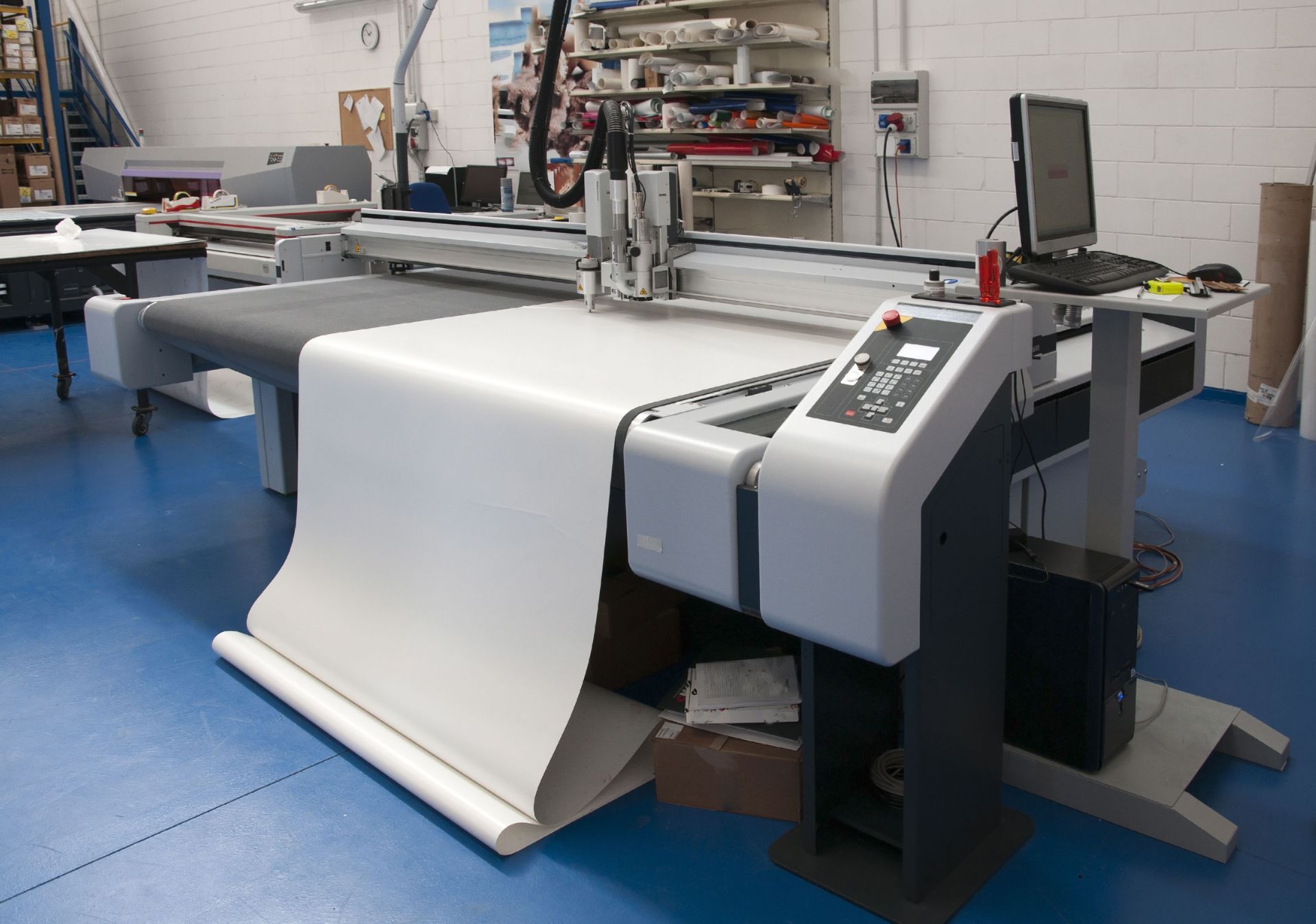
Several printing methods can produce attractive wedding invitations, and each offers different benefits depending on the design and quantity required. Digital printing is often suitable for colorful designs, detailed graphics, and smaller orders because it allows efficient production without traditional printing plates. Offset printing can be appropriate for larger quantities when consistent reproduction and unit costs are important considerations. Specialty techniques, including letterpress and foil stamping, can add distinctive texture or reflective details to selected parts of an invitation. An experienced printing company can explain the practical differences between these methods and help couples choose an option that fits their priorities. The best choice depends on the artwork, paper stock, number of invitations, and desired finish. Couples should also ask whether specialty effects require additional setup or production time. Comparing available methods before finalizing the design helps establish realistic expectations for the finished invitations.
Preparing Accurate Wedding Invitation Wording
Clear wording ensures that guests understand when and where the wedding will take place and what arrangements they may need to make. Invitations typically include the couple's names, the ceremony date, the start time, and the venue's name and address. Depending on the event, couples may also include dress expectations, reception details, RSVP instructions, or a website containing additional information. A professional printing company can help prepare the layout, but the couple should verify all names, dates, addresses, and other details before approving the final proof. Spelling errors and incorrect times can cause confusion and may be costly to correct after printing. It is useful to have another person review the invitation because a fresh perspective can reveal mistakes that the couple has overlooked. Consistent capitalization, readable fonts, and suitable spacing also make the information easier to follow. Confirming the wording before production helps prevent avoidable reprints and keeps the invitation process organized.
Planning a Realistic Printing Timeline
Wedding invitations require enough preparation time for design, proofreading, production, assembly, and mailing. Couples should begin planning early, especially when they want custom artwork, specialty finishes, or multiple coordinated stationery pieces. According to TheCharmingBride.com, producing wedding invitations can take two weeks or longer, so couples should account for printing time when establishing their overall schedule. The exact timeline depends on the complexity of the design, the order quantity, material availability, and the production method selected. A reliable printing company can explain expected turnaround times and help couples determine when their files and wording must be finalized. It is wise to include extra time for proof revisions, unexpected production delays, and any additional finishing work. Couples should also consider how long invitations will take to reach guests through the mail. Building a comfortable buffer into the schedule reduces last-minute pressure and allows more time to address unexpected issues.
Reviewing Proofs and Finalizing the Order
Proofreading is one of the most important steps before wedding invitations enter full production. A proof allows couples to inspect the design, review the wording, and check how the different elements appear together. They should confirm spelling, punctuation, dates, times, venue information, and RSVP instructions before providing approval. A dependable printing company can clarify technical details, such as image quality, margins, bleed areas, and the placement of text near the edges. Couples should check that photographs and graphics are sufficiently clear for the selected print size. They should also verify the quantity ordered, paper choice, colors, finishes, and envelope specifications. Making changes during the proofing stage is generally easier than correcting invitations that have already been printed. Once every detail has been reviewed, written approval helps communicate that the design is ready for production.
Organizing Invitation Assembly and Mailing
After printing is complete, invitations may need to be assembled, addressed, packaged, and prepared for mailing. Couples should determine whether they will handle these tasks themselves or request assistance with available finishing services. The final invitation count should include every household receiving an invitation rather than simply the total number of individual guests. It is also sensible to order a few extra copies for keepsakes, unexpected guest-list changes, or addressing mistakes. Before mailing the entire batch, couples can take a completed invitation to the post office to check its weight and postage requirements. A professional printing company may be able to provide guidance on envelope dimensions, paper thickness, and other specifications that affect mailing preparation. Couples should double-check addresses and return information to reduce the likelihood of undelivered invitations. Keeping a record of mailing dates and RSVP deadlines makes it easier to track responses and follow up with guests when necessary.
Creating Invitations That Reflect the Celebration
Well-produced wedding invitations combine attractive design, readable information, suitable materials, and careful scheduling. Each stage, from choosing paper to approving the final proof, contributes to a smoother experience and a more polished result. Couples who make decisions early have more flexibility to compare printing options and resolve questions before production begins. Working with a professional provider can also help them understand the practical details that affect print quality, turnaround times, and finished presentation. Flatbush Copy Center, Inc can help couples explore printing options for wedding invitations and prepare materials that suit their design preferences and event requirements. Contact us to discuss your wedding invitation printing needs, review available options, and take the next step toward creating invitations for your special day.