Brochure Printing for Small Businesses: A Marketing Essential
June 9, 2026
Small businesses face constant pressure to compete with larger brands while working within tighter budgets and smaller marketing teams. Digital advertising remains important, but physical marketing materials still create a lasting impression that many online campaigns struggle to match. For local companies especially, brochure printing continues to offer an effective way to showcase products, explain services, and reinforce brand recognition in a tangible format customers can keep and revisit.
Printed brochures also help businesses establish credibility in face-to-face interactions. Whether handed out at trade shows, displayed in waiting rooms, or included in direct mail campaigns, brochures provide detailed information in a polished and organized presentation. Consumer engagement with print media remains relevant as well. According to Marketing Charts, nearly one in five adults in the United States reads print magazines weekly, demonstrating that audiences still pay attention to physical marketing materials.
Visibility
For many small businesses, visibility is one of the biggest challenges in attracting new customers. A professionally designed brochure allows companies to introduce their services in a way that feels personal and informative rather than intrusive. Unlike digital ads that disappear with a quick scroll, brochures stay in homes, offices, and vehicles where customers can reference them later. Moreover, print media like brochures tap into the demographic that still places importance on tangible materials, such as the 19% of U.S. adults who read print magazines each week, according to Marketing Charts. Long-term exposure makes brochure printing a practical investment for businesses that want steady brand recognition.
Brochures also help companies maintain a consistent image across different marketing channels. A well-designed brochure can mirror the branding found on a company website, social media platforms, and storefront signage. This consistency builds familiarity and trust with consumers who encounter the business in multiple places. When businesses prioritize brochure printing as part of a broader marketing strategy, they create additional opportunities for customer engagement without relying entirely on online algorithms or paid advertising campaigns.
Another advantage involves geographic targeting. Small businesses often serve specific neighborhoods, cities, or regions, making local marketing especially valuable. Brochures distributed through community events, networking functions, and local partnerships can reach highly relevant audiences. Instead of competing with thousands of online ads, businesses can place their message directly into the hands of potential customers who are already interested in nearby products or services.
Credibility
Professional presentation matters when consumers evaluate whether a business appears trustworthy and established. A carefully designed brochure demonstrates attention to detail and shows that a company is serious about its services. Customers are more likely to remember businesses that provide clear, organized information rather than those that rely solely on verbal explanations. Through brochure printing, companies can project professionalism while highlighting the features that set them apart from competitors.
Brochures also allow businesses to present information at a comfortable pace for readers. Customers can review service descriptions, pricing details, testimonials, and contact information without feeling rushed. This is particularly important for industries that involve complex purchasing decisions, such as healthcare, real estate, legal services, or home improvement. In these sectors, consumers often want detailed explanations before committing to a purchase or consultation.
Trust grows when businesses provide educational content instead of only promotional messaging. A landscaping company, for example, might include seasonal maintenance tips, while a financial advisor could outline retirement planning basics. Educational brochures position businesses as knowledgeable resources rather than purely sales-driven organizations. This informative approach can increase customer confidence and encourage future communication.
Physical materials also tend to create a stronger sense of legitimacy than temporary digital promotions. Consumers may ignore pop-up ads or sponsored social media posts because they encounter them constantly throughout the day. A printed brochure, however, often receives more focused attention because it feels deliberate and substantial. Businesses that incorporate brochure printing into their customer outreach can strengthen both brand perception and customer retention over time.
Customization
One reason brochures remain effective is their versatility. Businesses can customize layouts, colors, folding styles, and paper finishes to reflect their unique brand identity. A luxury spa may choose sleek, minimalist designs with glossy finishes, while a family-owned restaurant might prefer warm colors and vibrant photography. These visual choices influence how customers perceive the business before they even read the content.
Customization also allows businesses to tailor brochures for different audiences or marketing goals. A company may create one brochure for trade show attendees and another for direct mail campaigns. Seasonal promotions, new product launches, and service updates can all be incorporated into specialized designs. By investing in brochure printing that aligns with specific customer segments, businesses can communicate more effectively and improve campaign performance.
The flexibility of brochures extends beyond appearance. Businesses can use them in numerous environments, including retail counters, conferences, networking events, waiting areas, and mailed promotional packages. This adaptability makes brochures valuable across many industries, from hospitality and healthcare to construction and education.
Content organization is another important factor. Unlike many digital advertisements that prioritize speed and brevity, brochures provide enough space for detailed explanations without overwhelming the reader. Companies can include company histories, customer testimonials, product comparisons, and frequently asked questions in a structured format. This balance between visual appeal and informative content helps consumers make more confident purchasing decisions.
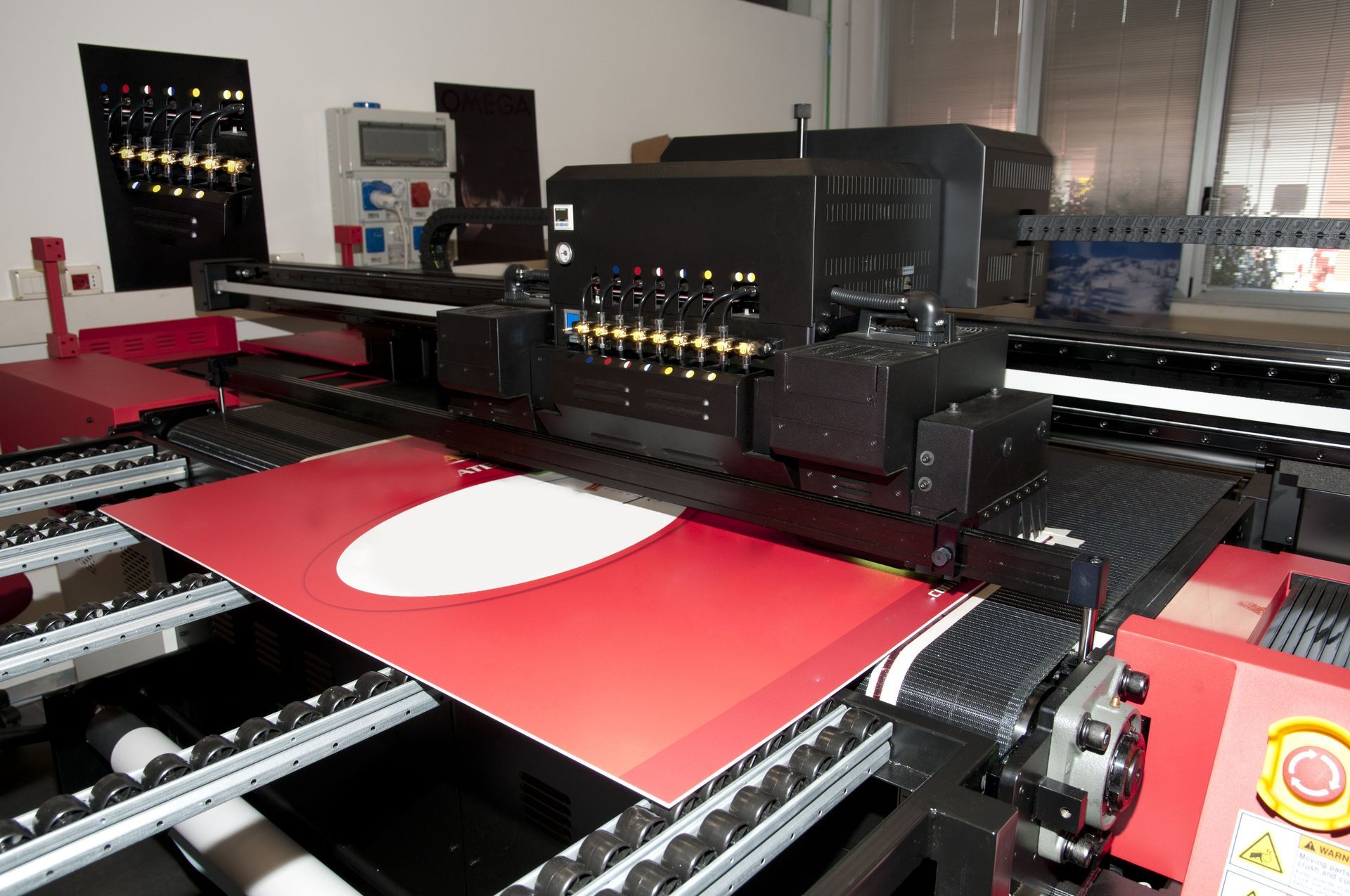
Print quality plays a major role in customization as well. Thin paper, blurry images, or poor color accuracy can negatively affect customer perceptions. On the other hand, high-quality materials convey professionalism and reliability. Businesses that invest in durable paper stocks and sharp printing techniques often leave a stronger impression on potential customers.
Distribution
Even the best-designed brochure cannot generate results without an effective distribution strategy. Small businesses should think carefully about where and how they place brochures to maximize visibility and engagement. Local events, trade expos, and networking gatherings provide excellent opportunities to connect with interested audiences. In these settings, printing brochures becomes more than a branding exercise because it supports direct conversations between businesses and consumers.
Direct mail campaigns remain another valuable distribution method. Although many companies focus heavily on email marketing, physical mail can stand out because consumers receive far fewer printed promotions today than they did in the past. A well-designed brochure arriving in a mailbox may receive more attention than another promotional email buried in a crowded inbox. For businesses targeting specific neighborhoods or demographics, direct mail campaigns can deliver highly focused exposure.
Partnership marketing also creates useful distribution opportunities. Businesses can leave brochures in complementary establishments that share a similar customer base. A gym, for example, may display brochures for a nutritionist, while a real estate office could share information from moving or cleaning companies. These partnerships help businesses expand their reach while building relationships within the local community.
Tracking results is equally important. Businesses should evaluate how customers respond to brochures by monitoring phone inquiries, website traffic, coupon redemptions, or consultation requests tied to printed materials. This data helps companies refine messaging, improve design choices, and determine where to concentrate future brochure printing efforts for the strongest return on investment.
Small businesses should also integrate brochures into larger marketing campaigns rather than treating them as isolated tools. Printed materials work best when supported by consistent branding across websites, social media pages, email newsletters, and in-person interactions. Customers who repeatedly encounter the same visual identity and messaging are more likely to remember the business and take action when they need related products or services.
Marketing trends will continue to evolve, but printed materials remain an important part of building customer relationships and increasing local visibility. Brochures provide businesses with a practical way to communicate detailed information, strengthen credibility, and support both digital and in-person marketing strategies. When approached thoughtfully,
brochure printing can help small businesses stand out in crowded markets while creating a professional image that customers trust.
If your business is ready to improve its marketing materials, professional guidance can make a significant difference in the final product. Flatbush Copy Center, Inc offers dependable printing solutions designed to help small businesses present themselves with confidence and professionalism. Contact us today to create brochures that support your brand, attract attention, and leave a lasting impression on your audience.