How Technology Is Transforming Commercial Printing Services
March 20, 2026
Commercial printing has changed in recent years as businesses look for faster turnaround times, stronger customization, and more efficient production methods. What was once centered on large print runs and traditional equipment now includes digital workflows, automation, data-driven personalization, and improved quality control. These developments allow companies to produce marketing materials, packaging, signage, and business documents with greater precision and flexibility.
For businesses of all sizes, these changes are making print more responsive to modern demands. Companies often need shorter runs, quicker edits, and materials tailored to specific audiences while maintaining consistent branding and professional results. Modern printing services support these goals by combining software, equipment, and streamlined production systems to improve speed and accuracy.
Advancing Digital Printing for Faster Production
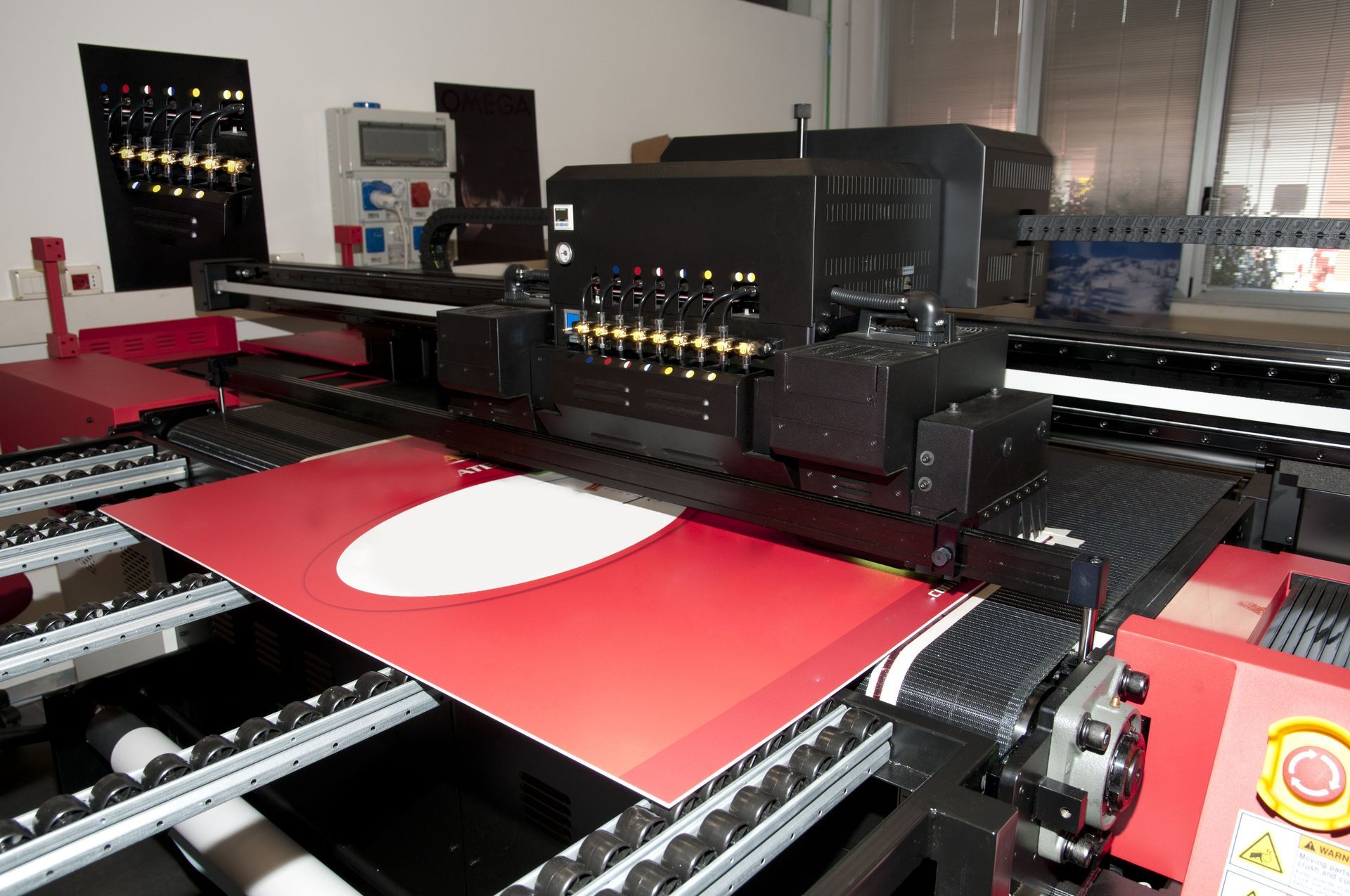
One of the most important shifts in commercial printing has been the growth of digital printing technology. Traditional offset printing still plays an important role in many projects, but digital systems provide greater speed and flexibility. Businesses producing brochures, postcards, flyers, manuals, or posters benefit from a process that moves files quickly from screen to print without lengthy setup. This approach makes it easier to produce smaller quantities while maintaining professional quality.
Digital equipment also supports faster revisions and more responsive project management. If a business needs to update pricing, contact information, branding elements, or promotional messaging, changes can often be made with minimal disruption to production. This flexibility is especially useful for organizations running time-sensitive campaigns. As digital capabilities continue to improve, printing services can respond more effectively to changing client needs.
Improving Workflow Automation for Better Efficiency
Automation is transforming the way commercial print shops manage projects behind the scenes. Modern workflow systems can organize incoming files, route jobs to the correct equipment, track approvals, and manage scheduling with far less manual intervention than in the past. These tools help reduce bottlenecks and improve consistency across projects of different sizes. When repetitive tasks are handled through automated systems, staff members can spend more time focusing on quality, client communication, and production planning.
Workflow automation also supports more predictable timelines and smoother coordination from start to finish. Instead of relying on disconnected steps or handwritten instructions, shops can use software to monitor each stage of production and spot issues before they slow a job down. This can be especially helpful when handling complex orders with multiple components, finishing steps, or delivery requirements. By combining automation with experienced oversight, printing services can improve turnaround times while maintaining better control over daily operations.
Expanding Personalization for Stronger Customer Engagement
Personalization has become a major advantage in modern commercial printing. Businesses no longer need to send the same printed piece to every customer or prospect. With variable data printing and related technologies, companies can tailor names, offers, images, and messaging to specific audiences. This makes printed materials more relevant and can improve responses to direct mail and promotional campaigns.
Technology makes this level of personalization more practical than in the past. Databases, marketing software, and digital production systems can turn a single template into many unique pieces. A business might send region-specific promotions, customized notices, or event invitations based on customer preferences. By making printed communication more targeted, printing services can help organizations create materials that better connect with their audience.
Enhancing Color Accuracy for Consistent Branding
Color consistency remains a key concern in commercial printing, especially for businesses that depend on strong brand recognition. Logos, marketing materials, packaging, and displays must reflect the same visual identity across formats and production runs. Technology has improved this process through color management systems, calibration tools, and software that aligns digital files with printed output. These tools help maintain a consistent and professional look across materials.
Improved color control also helps reduce waste and rework. When presses, proofing systems, and monitors are calibrated correctly, print providers can identify issues earlier and produce more accurate results. This supports visual quality and builds client confidence in the final product. Printing services that use advanced color management can deliver dependable results across many types of projects.
Supporting Packaging Innovation for Market Growth
Technology is also driving important changes in packaging production. Commercial printers are increasingly involved in short-run packaging, prototype packaging, branded labels, and retail-ready printed materials that require both visual appeal and practical durability. As brands compete for attention on shelves and in shipping environments, packaging has become a critical area for design and production innovation. Advanced printing equipment, specialty substrates, and finishing options allow businesses to create packaging that is both functional and visually distinctive.
According to Mordor Intelligence, packaging accounted for 51.78% of revenue in the North America commercial printing market in 2025, while security and transactional printing is expected to grow at a 2.14% CAGR through 2031. That fact highlights how important packaging continues to be within the broader commercial printing landscape. As businesses invest in customized boxes, inserts, labels, and branded materials, technology is helping print providers meet growing demand for high-quality packaging solutions with greater speed and adaptability.
Strengthening Security Printing for Sensitive Documents
Some commercial print projects require more than visual quality and efficient production. Documents such as checks, statements, forms, tickets, and labels may also need security features that protect against fraud or unauthorized duplication. Technology has expanded the tools available for these applications, including microtext, tracking systems, variable numbering, and secure data integration. These capabilities help make print an important part of secure business communication.
Modern systems also help manage sensitive files more carefully during production. Secure digital workflows, controlled access, and improved tracking can reduce the risk of errors or exposure when handling confidential materials. This is especially useful for organizations in finance, healthcare, education, and government-related work. By combining print expertise with security-focused processes, printing services can support projects that require both professional presentation and stronger document protection.
Integrating Finishing Technology for Higher-Impact Results
Printing is only part of the final product. Finishing processes such as cutting, folding, binding, laminating, scoring, perforating, and coating shape how printed materials look and function. Technology has improved these steps by making them more precise and consistent. Whether a business needs booklets, menus, promotional cards, or mailers, finishing equipment helps turn printed sheets into polished final pieces.
Advanced finishing technology also allows more creative applications. Businesses may want textured coatings, shaped cuts, specialty folds, or bound materials that stand out. Improved equipment helps print providers produce these details more efficiently while maintaining a professional appearance. Printing services that combine strong output with refined finishing can help businesses present their message more effectively.
Connecting Online Ordering for Greater Convenience
Another major development in commercial printing is the rise of online ordering platforms. Businesses increasingly expect the same convenience from print that they receive from other modern services. Web-to-print systems allow clients to upload files, approve proofs, reorder past jobs, select specifications, and monitor progress through a digital portal. This improves accessibility and makes it easier for organizations to manage recurring print needs across departments or locations.
Online tools are especially helpful for repeat orders and brand consistency. A company can store approved templates, branded assets, and past project details in one place, making future orders faster and more consistent. This reduces back-and-forth communication while still giving clients visibility into the process. By combining digital convenience with production expertise, providers can offer a more efficient experience for modern businesses.
Technology is transforming commercial printing by making it faster, more flexible, and more valuable for businesses that rely on professional materials. Digital production, automation, personalization, color control, packaging advances, security features, modern finishing, and online ordering all contribute to a more responsive print environment. These improvements expand what printers can offer while helping businesses produce materials that align with their goals. Modern printing services continue to adapt to these advancements while supporting a wide range of business needs. If your company is looking for reliable support backed by modern capabilities, contact Flatbush Copy Center, Inc. today.