The Essential Elements of an Effective Brochure
August 27, 2026
Brochures remain a valuable marketing tool because they provide customers with a tangible, organized way to learn about a business, product, service, or event. An effective brochure captures attention, communicates important information clearly, and encourages readers to take a specific next step. However, successful results require more than simply having brochures printed and distributing them widely. Businesses must consider their audience, messaging, design, branding, print quality, distribution methods, and performance goals. By coordinating these elements carefully, marketers can create materials that are visually appealing, easy to understand, and aligned with a broader promotional strategy.
Establish a Clear Purpose and Target Audience
Every brochure should begin with a clearly defined objective. A business may want to introduce a new service, promote an upcoming event, explain a complicated offering, generate leads, or provide customers with information they can reference later. Establishing the objective early helps determine what information deserves the most space and what readers should do after reviewing the material. Without a clear purpose, the content can become unfocused and overwhelm readers with details that do not support the primary marketing goal.
Understanding the target audience is equally important. Age, location, interests, purchasing priorities, professional background, and familiarity with the subject can influence the appropriate language and visual style. Before having brochures printed, marketers should consider what questions their intended readers are likely to have and which benefits matter most to them. Content can then be organized around those priorities rather than simply listing everything the company offers. This audience-focused approach makes the brochure more useful and helps readers quickly recognize its relevance.
Create a Compelling Design and Organized Layout
Strong visual organization allows readers to understand a brochure without working through large blocks of uninterrupted text. White space, headings, short paragraphs, images, and carefully positioned calls to action can create a natural path through the material. Important information should receive greater visual emphasis, while supporting details can occupy secondary positions. A clean hierarchy also helps readers who prefer to scan the brochure before deciding which sections they want to examine more closely.
Color choices should complement the organization’s existing visual identity while providing enough contrast for comfortable reading. Typography also deserves careful attention. Decorative fonts may work for limited headings, but body text generally benefits from simple, highly legible typefaces. Font sizes should remain large enough to read after folding and production. Reviewing these details before brochures printed for a campaign are finalized can prevent readability problems that may otherwise become apparent only after the entire order has been produced.
Use Relevant Images and Balanced Visual Elements
Images can communicate ideas quickly and make printed marketing materials more engaging. Product photographs, completed project images, employee photos, illustrations, diagrams, or location photography may all be appropriate depending on the purpose of the piece. Visuals should contribute meaningful information rather than simply filling unused space. High-resolution files are especially important because images that look acceptable on a computer screen may appear blurry or pixelated when reproduced in print.
Text and imagery should also work together instead of competing for attention. Too much text can make the material intimidating, while excessive imagery may leave readers without enough information to understand the offering. Designers can use captions, icons, short feature descriptions, and highlighted statistics to break complex information into manageable pieces. Maintaining a consistent visual style throughout the panels creates a polished presentation and makes the brochure easier to follow from beginning to end.
Develop Concise and Useful Content
Brochure copy should communicate important information efficiently because available space is limited. An engaging headline can introduce the primary benefit or subject, while supporting paragraphs provide enough detail for readers to understand the offering. Active language and specific explanations are generally more effective than lengthy descriptions or unnecessary industry jargon. When brochures printed for customer distribution contain concise, purposeful copy, readers can locate relevant information quickly and decide whether they want to learn more.
Features should be connected to practical benefits whenever possible. Instead of merely describing what a product or service includes, the brochure can explain how those features address a customer’s needs. Authentic testimonials may also strengthen the message when appropriate and when permission has been obtained for their use. Frequently asked questions, service details, qualifications, timelines, or process explanations can help address common concerns and make the material more useful during the customer’s decision-making process.
Maintain Consistent Branding and Identity
A brochure should feel like a natural extension of the organization behind it. Logos, colors, typography, imagery, tone, and messaging should generally follow established brand guidelines. Consistency makes it easier for customers to connect printed materials with websites, advertisements, social media profiles, signage, and other communications they may encounter. A brochure that looks substantially different from the rest of a company’s marketing can create confusion and weaken recognition.
Contact information should be presented clearly and placed where readers can find it without searching. Depending on the campaign, this may include a phone number, physical location, email address, website, social media information, or QR code. Businesses preparing to have brochures printed should verify every contact detail and web destination during proofreading. A small error in a phone number, URL, price, or address can reduce the usefulness of an otherwise well-designed piece and may require an expensive reprint.
Include a Direct and Appropriate Call to Action
A brochure should tell readers what to do after reviewing the information. The appropriate action depends on the marketing objective and might involve requesting an estimate, scheduling an appointment, visiting a store, registering for an event, exploring a website, or contacting a representative. Calls to action should be direct and easy to locate. They should also provide readers with the information necessary to complete the requested step without creating unnecessary barriers.
Marketers can reinforce a call to action in more than one location, particularly when the brochure contains several panels or a substantial amount of information. However, repeating too many competing requests may weaken the overall message. Choosing one primary action and supporting it with relevant contact options creates a clearer customer journey. QR codes and campaign-specific landing pages can also connect printed materials with digital resources while providing additional information that would not comfortably fit within the brochure itself.
Pay Attention to Paper, Folding, and Print Quality
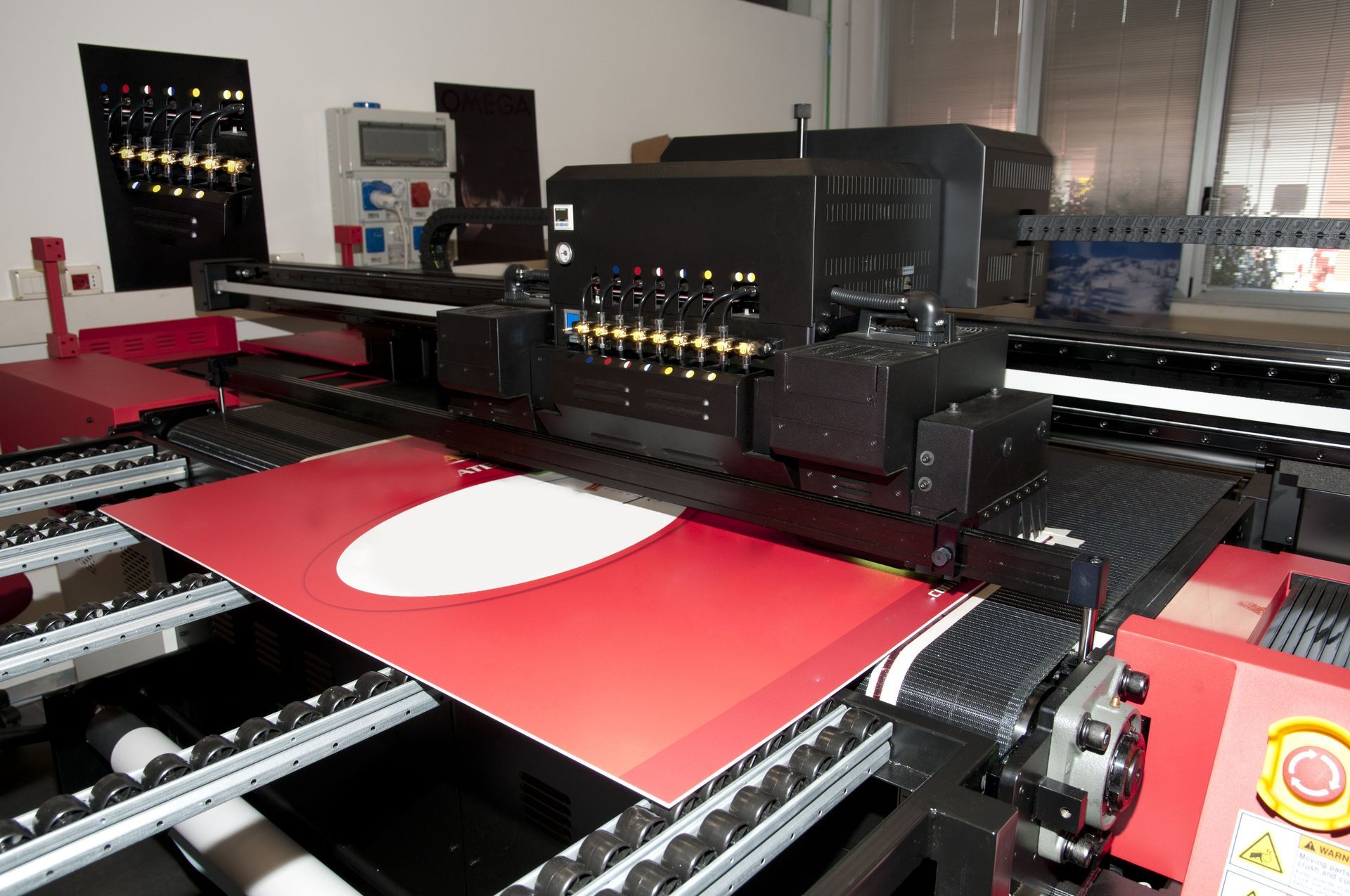
Physical production choices affect both appearance and usability. Paper weight, coating, finish, dimensions, folding style, and print resolution should suit the purpose and expected environment. A brochure intended for repeated reference may require different materials from one designed for a short-term event. Fold styles also influence how information is revealed, so designers should consider the final physical format while arranging content rather than treating each panel as an independent page.
Before having brochures printed in a large quantity, reviewing a physical proof can help identify unexpected issues with color, trimming, folds, image quality, or text placement. Proofreading should include names, prices, dates, contact information, spelling, and punctuation. Multiple reviewers can be useful because people who have worked closely on a project may overlook familiar errors. Careful preproduction checks reduce waste and help ensure the finished materials accurately represent the intended campaign.
An effective brochure combines strategic planning, concise writing, thoughtful design, consistent branding, appropriate production choices, and targeted distribution. Each component supports the others: strong copy benefits from readable typography, attractive imagery benefits from organized layouts, and clear calls to action benefit from accurate contact information. Before brochures printed for the next campaign are approved, a final review of the audience, purpose, design, content, and production details can help identify weaknesses. Treating brochures as measurable parts of a larger marketing strategy allows organizations to improve their materials over time and create useful resources that support meaningful customer engagement. Contact Flatbush Copy Center today and learn more about our brochure services.